Southwark Council rules for removals in East Dulwich
If you are planning a move in East Dulwich, the paperwork and parking side of things can catch people out faster than the boxes themselves. Southwark Council rules for removals in East Dulwich matter because a smooth move is not just about lifting furniture; it is about where the van parks, whether you need permission, how long loading can take, and what happens if access is tight on a busy residential street. Truth be told, that is where many moving plans wobble.
This guide breaks the process down in plain English. You will learn how the rules typically affect home and business removals, what to check before moving day, common mistakes to avoid, and how to make the whole thing less stressful. If you are looking for a practical move plan, this article will help you think ahead rather than react on the day.
Table of Contents
- Why Southwark Council rules for removals in East Dulwich Matters
- How Southwark Council rules for removals in East Dulwich Works
- Key Benefits and Practical Advantages
- Who This Is For and When It Makes Sense
- Step-by-Step Guidance
- Expert Tips for Better Results
- Common Mistakes to Avoid
- Tools, Resources and Recommendations
- Law, Compliance, Standards, or Best Practice
- Options, Methods, or Comparison Table
- Case Study or Real-World Example
- Practical Checklist
- Conclusion
- Frequently Asked Questions
Why Southwark Council rules for removals in East Dulwich Matters
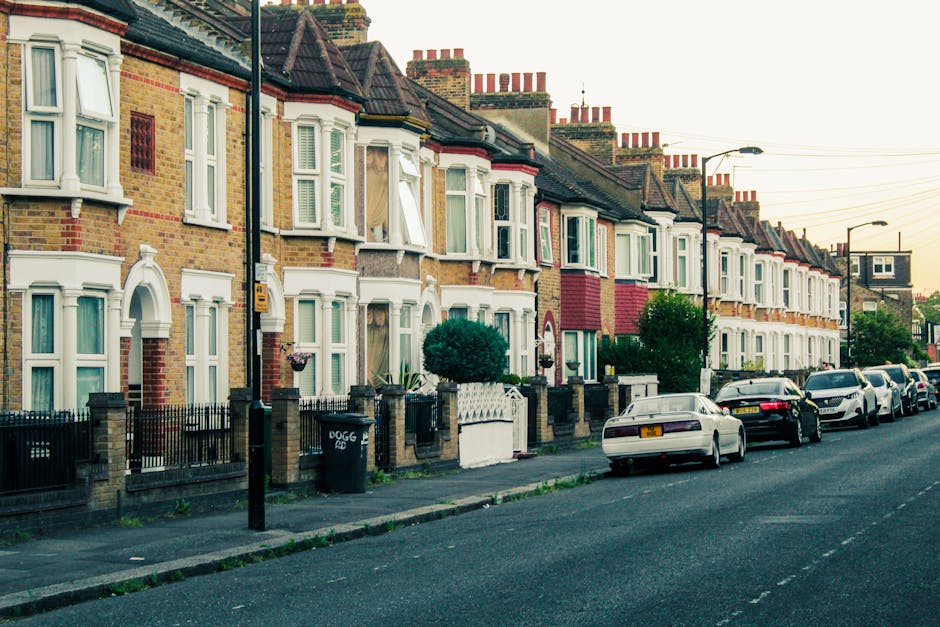
East Dulwich is one of those London neighbourhoods where a move can look simple on the map and then become a bit fiddly in real life. Streets can be narrow, bays can be busy, and parking space can vanish by late morning. That is why council rules matter. They shape how your removal vehicle can stop, how long it can stay, and whether your move creates a problem for neighbours, businesses, or passing traffic.
For house moves, the main issue is usually kerb access. A van that parks badly can block a cycle lane, cover a dropped kerb, or sit in a restricted bay at the wrong time. For flat moves, the challenge may be stairs, loading distance, or limited waiting space. For office relocations, timing becomes even more important because deliveries, staff access, and commercial activity all sit on the same piece of road space. One small misunderstanding can snowball into delays, parking penalties, or an awkward conversation with a neighbour who just wanted to get out for milk.
So the council rules are not red tape for the sake of it. They are there to keep traffic moving and reduce disruption. If you understand them early, you can plan a cleaner move, choose the right vehicle, and avoid last-minute panic. That alone is worth the effort.
Practical takeaway: in East Dulwich, the most successful removals are usually the ones that plan parking and access before the boxes are packed, not after.
How Southwark Council rules for removals in East Dulwich Works
The exact rules you need to follow depend on the street, the time of day, and whether your vehicle is stopping in a controlled parking area or on unrestricted road space. In practice, removals in East Dulwich often involve a mix of local parking restrictions, bay rules, access considerations, and sensible coordination with neighbours or building management.
What usually needs checking
- Whether the removal van can legally stop near the property.
- Whether any parking bay suspension, permit, or loading restriction applies.
- Whether the street has yellow lines, resident bays, or timed restrictions.
- Whether the building has its own loading instructions or access rules.
- Whether a larger vehicle will cause obstruction on a narrow road.
It is easy to assume that a short stop for loading is harmless. Sometimes it is fine, sometimes it is not. A quick stop in the wrong place can still create issues if you are in a restricted area or blocking traffic flow. The better approach is to plan the stop as part of the move, not as an afterthought.
For example, if you are moving from a terraced street with limited frontage, the sensible route may be to use a smaller vehicle for final access or arrange a short loading window when the road is quieter. If you are leaving a flat above a busy high street, you may need a loader who can work fast and keep the van positioned safely. Little details, but they matter a lot.
If your move is more complex, it can help to organise a service that understands local access conditions. A team offering man and van support or full removal services can be a better fit than trying to improvise on the day. For larger household moves, house removals or experienced house movers may be the safer choice, especially where access is tight.
What to confirm before moving day
- Check the outside space at both addresses.
- Identify where the vehicle can stop without causing obstruction.
- Note any timed parking controls or permit zones.
- Ask the building manager or landlord about loading access.
- Allow extra time for stairs, lift access, or carrying distance.
- Have a backup plan if the nearest space is already taken.
That last point is the one people forget. And of course, it is the one that saves the day when the obvious space is occupied by a trades van, a nursery drop-off queue, or a neighbour who has decided to stay parked just a little longer. London, eh.
Key Benefits and Practical Advantages
Following Southwark Council rules properly does more than keep you on the right side of local restrictions. It makes the move faster, calmer, and less wasteful. That sounds obvious, but in real moving work the difference is huge.
- Less delay: when parking and loading are planned, the crew can work continuously instead of waiting for space.
- Lower risk of fines or complaints: sensible parking choices reduce the chance of a moving day headache.
- Better protection for belongings: shorter carrying distances usually mean less chance of knocks and drops.
- Less stress for neighbours: moving with care helps avoid blockages and friction on the street.
- More efficient budgeting: fewer delays often mean fewer billable hours.
There is also a quieter benefit: confidence. Once you know the move has a sensible parking plan, everything else feels more manageable. You can focus on the packing labels, the kettle box, and whether somebody has packed the phone charger in the wrong crate again. Small thing, but huge on the day.
For many East Dulwich customers, the most practical advantage is simply choosing the right moving method. A smaller vehicle such as a moving van or removal van can sometimes be easier to position than a larger truck. For very bulky jobs, though, you may need removal truck hire or a more substantial vehicle solution. The best choice is not always the biggest one.
Who This Is For and When It Makes Sense
This topic matters to a wide range of people. If you are moving house in East Dulwich, you need to know how local restrictions affect loading. If you are relocating a business, the stakes are even higher because staff, customers, and suppliers may all be affected by access issues. And if you are arranging a small flat move, the rules still matter because a tiny vehicle in the wrong spot can cause the same trouble as a larger one.
It especially makes sense to look closely at council rules if you are:
- moving from a terraced house or maisonette with limited frontage;
- relocating from or into a flat with stair-only access;
- moving on a weekday when parking pressure is high;
- using a larger van or lorry that needs a proper loading position;
- coordinating a same-day move with cleaners, electricians, or handover appointments;
- managing an office move where timing is tight and disruption must be minimal.
If you are a homeowner, you may want the reassurance of a full moving team. If you are a tenant, timing and access may be the main issue. If you are a business owner, the safest route may be an organised commercial moves service or office removals support so the move does not drag into the workday. Some jobs are simply better handled by professionals who deal with East Dulwich streets all the time.
Step-by-Step Guidance
Here is a practical way to plan around Southwark Council rules for removals in East Dulwich without making it feel like a legal seminar. Nice and straightforward.
1. Map out both addresses
Start with the old property and the new one. Look at the street layout, bay markings, and potential loading space. If possible, visit at the same time of day you expect to move. Morning and evening can feel very different. A street that looks quiet at 10am may be full by lunchtime.
2. Check whether parking is restricted
Look for yellow lines, resident bays, timed bays, and any signposted loading rules. If you are unsure, do not assume a short stop is automatically fine. A five-minute misunderstanding can create a thirty-minute delay, and that is just annoying for everyone.
3. Choose the right vehicle size
This is where many moves either flow beautifully or become a bit awkward. A man with van setup can work well for smaller or medium jobs where access is tight. For more complex home moves, a larger team may be more efficient. Think about carrying distance, heavy items, and how much can be loaded in one run.
4. Build in time for access problems
Even the best plan can be affected by traffic, a blocked bay, or a surprise delivery outside the building. Build buffer time into the schedule. A move that is rushed tends to get messy, and nobody wants that with a sofa halfway down a stairwell.
5. Coordinate with neighbours or building staff
If the property is in a managed block, let the building manager know your moving window. For houses on busy streets, a simple heads-up to neighbours can help reduce complaints. It is a small courtesy, but it can make the day calmer.
6. Pack for fast loading
Label boxes clearly. Keep essentials together. Place heavier items near the door if it is safe to do so. If you are using packing and unpacking services, ask the team to prioritise the items that need to go first. That keeps the loading flow tidy and reduces time spent standing about with open boxes.
7. Confirm the plan the day before
One final check can catch a surprising number of issues. Confirm the vehicle arrival time, access route, and any special instructions. If you are using a professional provider, make sure the moving plan is written down somewhere sensible, not just living in someone's memory over a late-night text thread.
Expert Tips for Better Results
In our experience, the moves that go best are usually the ones that keep things simple. Not fancy. Just prepared.
- Use the smallest practical vehicle: if the job fits into a smaller van, it may be easier to park and manoeuvre in East Dulwich.
- Move the awkward items first: large wardrobes, mattresses, and appliances often create the biggest access bottleneck.
- Avoid peak road pressure where possible: school run time and commuter windows can make access slower.
- Keep essentials accessible: documents, keys, and chargers should not disappear into the deepest box.
- Take photos of the street space: this sounds nerdy, but it can help you brief the movers clearly.
A small but useful tip: if you have a narrow stairwell or limited hallway space, measure the widest items before move day. It sounds dull, but it prevents those awkward moments where the mattress reaches the landing and suddenly everybody goes quiet. Been there, not fun.
If you are comparing providers, do not look only at price. Look at vehicle size, local experience, and whether the team understands access problems. A good removal company will ask the right questions before quoting. That is usually a very good sign.
Common Mistakes to Avoid
Most moving problems in East Dulwich are predictable. That is the frustrating part. The good news is that predictable problems can usually be avoided.
- Assuming parking will be easy: never rely on luck alone.
- Booking a vehicle that is too large: bigger is not always better in a dense street.
- Ignoring loading restrictions: a quick stop can still be non-compliant.
- Leaving packing too late: rushed boxes slow everything down and create damage risk.
- Not telling the building manager: especially important in blocks with shared access.
- Forgetting the fallback plan: if the best bay is taken, what then?
The mistake I see most often is people treating the street like a free loading zone. Sometimes they get away with it. Sometimes they do not. The problem is that you only need one bad day for it to become expensive or inconvenient. Better to avoid the gamble.
Another common one is underestimating how long it takes to move items from the front door to the van. Even a short distance adds up quickly when you are carrying boxes, soft furnishings, or awkward bits of furniture. A move can look tiny on paper and still take longer than expected. That is just how it goes.
Tools, Resources and Recommendations
You do not need a complicated toolkit to manage a removal properly, but a few simple things make a real difference.
- Property measurements: width, height, and stair clearance for large furniture.
- Clear labels: bedroom, kitchen, fragile, priority.
- Phone photos: helpful for showing access points, bay locations, or awkward corners.
- Moving inventory: even a simple written list helps keep track of items.
- Protective materials: covers, blankets, tape, and ties for securing loads.
If you are moving a home, the best support often comes from a team that can cover the whole job in one go. That is where home moves and broader removals services can be useful. If you only need a single pickup or a few bulky items shifted, furniture pick up may be the more sensible option.
For people comparing providers, it is also worth checking practical things like pricing and quotes, insurance and safety, and the business about us information so you know who you are dealing with. Those details are boring until you need them. Then they are very helpful.
Law, Compliance, Standards, or Best Practice
This article is about practical moving guidance, not legal advice. That said, there are a few sensible principles to keep in mind when dealing with council-controlled streets and loading in London.
First, parking restrictions and loading rules are not optional just because you are moving house. If a street or bay has signposted conditions, those conditions usually apply to you as well. Second, you should plan to avoid obstruction wherever possible. Even if you think you are being brief, blocking access can create problems for pedestrians, cyclists, neighbours, and other road users.
Third, health and safety matters. Removal work involves lifting, carrying, stacking, and moving through shared spaces. Good practice means making sure the load is secure, pathways are clear, and people know which items need two-person handling. If you want to understand how a provider approaches this, it is sensible to review a company's health and safety policy and terms and conditions.
Finally, for heavier items and business moves, it is wise to use a team that understands safe loading, vehicle limits, and working in tight urban areas. That does not mean everything has to be overcomplicated. It just means the basics should be done properly. That is the standard, really.
Options, Methods, or Comparison Table
Different removal setups suit different East Dulwich situations. The best choice depends on access, volume, and how much help you need on the day.
| Option | Best for | Strengths | Watch-outs |
|---|---|---|---|
| Man and van | Small to medium moves | Flexible, good for narrow streets, often quick to load | May not suit very large homes or heavy volume |
| Full removals team | Households with many items | More labour, better for complex moves, less lifting for you | Needs more scheduling and planning |
| Removal van | Compact loads or local transfers | Easier access, practical in tighter roads | Limited capacity for larger furniture |
| Removal truck hire | Large-scale or multi-load moves | Higher capacity, efficient for bigger jobs | Harder to park and manoeuvre in some streets |
If you are on the fence, ask yourself a simple question: is access or capacity the bigger challenge? In East Dulwich, access often wins. That is why a smaller, well-planned vehicle can beat a huge one parked badly. It sounds obvious, but people still overlook it all the time.
Case Study or Real-World Example
Imagine a couple moving from a first-floor flat near a busy East Dulwich road into a terraced house a few streets away. On paper, the move is short. In reality, the front of the old property has limited stopping space, and the new street is narrower than expected.
They start by checking the likely loading point for both addresses, then choose a vehicle that can sit as close as possible without blocking the road. They pack the non-essentials the day before, keep the kettle, documents, and chargers together, and let the building manager know their moving window. Nothing dramatic. Just careful planning.
On the day, the loading goes faster because the boxes are labelled, the route is clear, and nobody is wandering around asking where the tape has gone. The crew can work in a steady rhythm. The couple still feels tired at the end, naturally, but not frazzled. That is the difference local planning makes.
Now compare that with the same move done without checking access. The van arrives, the closest space is gone, and everyone spends twenty minutes trying to improvise. It is not disastrous, just messy. And moves already have enough chaos in them without adding parking roulette.
Practical Checklist
Use this checklist a few days before the move. It is simple, but it catches a lot.
- Confirm the move date and time.
- Check parking and loading conditions at both addresses.
- Measure large furniture and stair access.
- Decide whether you need a smaller van or a larger removal vehicle.
- Tell neighbours or building management if access may be affected.
- Pack fragile items separately and label boxes clearly.
- Keep keys, documents, medication, and chargers in one easy bag.
- Review the provider's insurance and safety information.
- Ask for a clear quote and timing plan.
- Leave a bit of buffer time. Always.
If you are moving a business, add these extra checks:
- Notify staff of the access window.
- Arrange IT, keys, and handover documents in advance.
- Plan for reception or customer interruptions.
- Choose a service that can handle commercial timing, such as office relocation services.
A little preparation goes a long way. Really.
Conclusion
Southwark Council rules for removals in East Dulwich are mostly about common sense applied carefully: park legally, avoid unnecessary obstruction, plan loading access, and choose the right moving method for the street and the property. Once you do that, the move becomes much more manageable. Less guesswork. Fewer surprises. Better pace.
If you are moving soon, focus on the basics first: access, parking, vehicle size, and timing. Those four things shape almost everything else. Get them right and the rest usually falls into place more easily than you expect.
Get a free quote today and see how much you can save.
And if you want reassurance from a team that understands local moves and the pressure of London streets, start with the details, stay organised, and take the move one calm step at a time. You will be glad you did.
Frequently Asked Questions
Do I need permission for removals parking in East Dulwich?
It depends on the street and the type of parking restriction in place. Some locations may allow loading, while others have time-based or permit-controlled rules. Always check the signs and plan ahead.
Can a removal van stop on yellow lines for loading?
Sometimes loading may be permitted, but it is not something to assume. The exact rules depend on the location, signage, and time of day. If in doubt, choose a safer loading plan.
What is the best vehicle size for a move in East Dulwich?
The best vehicle is usually the smallest one that can still handle your load safely. In tighter streets, a smaller van can be easier to position and unload than a larger truck.
How far in advance should I plan my removal?
For a typical home move, start checking access and parking as early as possible, ideally several days in advance. More complex moves, especially business moves, need even more lead time.
Are office removals treated differently from home removals?
Yes, in practice they often are. Office removals usually involve more timing pressure, different access needs, and greater care around staff, equipment, and business continuity.
What if there is nowhere to park near the property?
You may need to use a smaller vehicle, a different loading point, or extra carrying help. Planning a fallback option is sensible because street parking in East Dulwich can be tight.
Should I tell my neighbours about my move?
It is not always required, but it is often a courteous and useful thing to do, especially if the van may briefly affect access or create noise early in the day.
How can I reduce the risk of damage during loading?
Pack carefully, label boxes, protect fragile items, and keep the carrying route clear. Using professional removal services can also help because the team will know how to load efficiently.
Is a man and van suitable for council-rule-sensitive moves?
Yes, often it is. A smaller setup can be a very practical choice where access is limited or parking space is short. The key is choosing the right size and timing it properly.
What should I ask a removal company before booking?
Ask about vehicle size, access experience, insurance, timing, and whether they have worked in London streets like East Dulwich before. Those answers tell you a lot more than a glossy promise ever will.
Do I need special help for furniture pick-up only?
If you are only moving a few bulky items, a dedicated pickup service may be enough. It is a good option when you do not need a full household move but still want safe, organised transport.
Where can I learn more about the company before booking?
It helps to read the company's background, policies, and service information before making a decision. Pages such as about us, pricing and quotes, and contact us can be useful starting points for that sort of check.