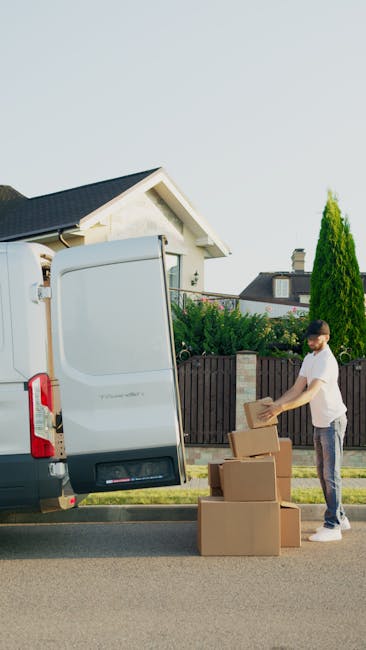
Man With Van East Dulwich

Our man with van service in East Dulwich is designed for straightforward local moving help, careful item transport and practical support when you need an agile removal option rather than a large lorry. We handle the everyday work that makes a move easier: lifting, loading, securing, carrying and transporting possessions with attention to safe handling and sensible planning. For many households and small businesses, that means a flexible service that fits the job in hand without adding unnecessary complexity.
Because every load is different, we adapt the approach to the items, access and destination involved. That may include a single bulky item, a few rooms’ worth of belongings, or a compact office move with furniture and boxed equipment. We aim to keep the process clear from the outset, so you know what is included, what may need extra care, and how to prepare the load in a way that supports an efficient move.
For a fuller look at our main removal options, you can also explore our removal services and see how they sit alongside smaller, van-based work. If you are comparing levels of support, the right choice often depends on how much needs moving, how quickly access can be managed, and whether the job calls for packing help or simple transport only. Practical, well-planned moving support can make a noticeable difference even on shorter local jobs.
Local moving help for homes, flats and small loads
Our man with van work in East Dulwich is often chosen for house contents that do not justify a full-scale removal vehicle. We can move furniture, boxed belongings, bagged items and mixed household loads with the same focus on care and order. This is especially useful when the move involves a few awkward items, a top-floor flat, or a staggered move where possessions are being transported in stages rather than all at once.
If your move needs a more traditional domestic setup, our home moves page explains a broader service for house contents and domestic relocation. The practical difference is not only vehicle size; it is also about how the day is organised, how the load is arranged, and how much handling support is needed. A smaller van-based move can be the better fit when flexibility matters more than volume.
In domestic work, useful preparation can make the move smoother without turning it into an administrative task. A short inventory of what is going, any items that need special handling, and notes on access points such as stairs or narrow entrances are usually enough to help shape the plan. If you need help getting ready, our packing and unpacking services may be relevant for items that benefit from extra wrapping or more orderly box work.
Furniture, single items and careful handling

Not every job is a full move. Many customers need help with one sofa, a bed frame, a wardrobe, a desk or a heavy appliance that is awkward to move safely without support. Our van-based service is useful for those situations because it keeps the job focused and avoids making small transport tasks feel larger than they are. We can plan around the item size, the route out of the property and the need for loading space inside the vehicle.
For one-off collection and transport work, our furniture pick-up page covers the kind of movement that is often driven by a purchase, a room refit or a simple change of plan. The key point is to choose the service that matches the task: if the items are bulky but limited in number, a man with van option can be more sensible than arranging a bigger, less tailored removal. Safety and secure loading matter just as much on smaller jobs as they do on larger ones.
We also support customers who need to shift furniture between properties, storage, offices or rooms within the same building. Some items may need dismantling before loading, while others need blanket wrapping or careful positioning so that they travel safely. If you are moving mixed furniture and general belongings together, it is worth grouping the heaviest items first and keeping fragile pieces separate. That helps the loading process stay orderly and reduces handling time on arrival.
House removals and wider domestic moving options
Our house removals service is useful when a move extends beyond a few items and needs a more structured plan. Compared with simple transport, domestic removals usually involve more coordination around room contents, floor access, delicate items and the order in which everything is loaded and unloaded. A van-based approach can still be the right fit, particularly where the property is compact, the route is straightforward, or the customer prefers a more flexible arrangement.
For some households, a wider removals package makes sense because it brings together carrying, transport and organised placement at the destination. That can suit flats, shared homes and smaller houses where the volume is manageable but the work still needs care and clear sequencing. If you are comparing domestic options, our house movers page gives another route into the same family of moving support, helping you judge whether your job is best described as a house move or a smaller van-based relocation.
When planning a household move, the most useful details are often the simplest: what is going, which pieces are awkward, whether there are stairs or limited parking, and whether the move is happening in one trip or several. If you can share a clear list, that usually makes it easier to work out vehicle space and handling requirements. Clarity at the start helps keep the day calm, especially where furniture and boxed household goods must be moved together.
Commercial removals and office relocation support
Van-based moving is not only for domestic work. Smaller business relocations can also benefit from a practical, measured service, particularly when an office, studio or workspace needs furniture and equipment moved without disrupting the whole operation. Our commercial moves page sits alongside this kind of work, where the emphasis is on controlled transport, sensible access planning and keeping items together in the right order.
If the job involves desks, chairs, files, boxed supplies or equipment that should remain grouped by room or department, a well-organised load plan becomes important. Our office removals service covers that sort of relocation, while office relocation services can be useful where you want the move handled with a clearer structure around business continuity and placement at the destination. The exact arrangement depends on the premises and how much preparation you want to do in advance.
For businesses, the most useful preparation is usually practical rather than complicated. Labelled boxes, separated documents, a note of any fragile equipment and a clear indication of building access are often enough to help shape the move. If the load includes mixed office furniture and everyday stock or supplies, it is sensible to separate what must be handled gently from what can be stacked more robustly. That keeps the relocation efficient and reduces confusion when items are unloaded.
Packing, loading and the sort of preparation that helps

Some customers use a man with van service for transport only, while others need additional handling support before the vehicle even leaves. Packing can be one of the biggest factors in how smoothly a move goes, especially if the items are fragile, irregularly shaped or likely to shift during transit. Properly sized boxes, clear labelling and sensible weight distribution all help create a load that is safer to carry and easier to place at the destination.
If you need a more hands-on approach, our packing and unpacking services may help with items that require extra wrapping or a more methodical approach to sorting. For the transport stage, good packing reduces the chance of movement in the van and makes unloading more straightforward. It also helps keep the job efficient because the crew can see how best to stack, secure and separate the pieces before departure.
The same principle applies to loading. Bulky items usually travel best when they are placed first and secured properly, with lighter or more fragile items arranged around them in a controlled way. Boxes should be stacked with care, and loose items should not be left to shift about. Where a property has awkward access or a narrow stairwell, the order of movement matters just as much as the vehicle choice. Thoughtful handling is often what turns a difficult move into a manageable one.
Pricing, quotes and what affects the job
When customers ask for a quotation, the main factors are usually the size of the load, the distance involved, the level of handling support needed and the access at both ends. A straightforward local move with easy parking and a modest load will usually look different from a job involving heavy furniture, multiple floors or a complex business relocation. That is why a clear description of the items and access points is so helpful.
Our pricing and quotes page is a useful place to look if you want to understand how moving work is commonly assessed. We keep the process practical: the more accurate the information about volume, lifting requirements and destination details, the easier it is to shape a sensible quotation. If there are any items that need extra care, such as glass, antiques or electronics, it is sensible to mention them at the same time so they can be considered properly.
It can also help to decide whether you need transport alone or a fuller service that includes carrying, dismantling, or packing support. Not every move needs every option, and over-specifying a job can be just as unhelpful as under-specifying it. A well-matched quote should reflect the actual work required, not a generic package. If you are preparing to enquire, a short list of rooms, items and access notes is usually enough to get started.
About East Dulwich

East Dulwich is a district in south London, forming part of the London Borough of Southwark and lying immediately south of Peckham Rye. It developed as a residential suburb in the nineteenth century, shaped by the spread of rail transport and the steady growth of housing beyond inner London’s older core. The area is known for a mix of Victorian and Edwardian streets, terraced housing, local shopping parades and a setting that sits close to several well-used open spaces. Lordship Lane is one of the best-known routes in the district, lined with independent shops, cafés and everyday services that give the area a lively local character. Dulwich Park and Peckham Rye Park are important nearby green spaces, while the broader Dulwich area is also associated with cultural institutions such as Dulwich Picture Gallery and the historic village setting further west. East Dulwich station links the area to central London, and the district’s residential streets reflect the long-standing appeal of south-east London suburbs that offer a mixture of urban convenience and a more settled neighbourhood feel. The street pattern, period architecture and range of local amenities all contribute to the area’s distinct identity within the borough.
Need a moving plan that feels straightforward? Tell us what is going and we can shape the next step around the job. For smaller household loads, furniture collections or office items, a van-based move is often the most practical starting point. If you are ready to compare options, please take a look at the service pages and request a quotation when it suits you.
For general information about our wider removals work, you can also visit removal services and see how the different moving options fit together. If your enquiry is about a more specific vehicle or loading setup, our moving van page may help you think through the most suitable arrangement before you get in touch. The aim is to make the move feel planned, not rushed.
Choosing the right moving setup
The best moving setup depends on what you are moving, how much help you want with lifting, and how easy it is to reach the property. A man with van arrangement is often well suited to local work where flexibility matters, while a fuller removals service may be more appropriate for larger domestic or business moves. The decision is less about labels and more about matching the service to the actual task.
If you are comparing vehicle-based options, our moving truck and removal van pages show two different ways of thinking about transport capacity. A van-based move can be ideal for a compact load, but it is still important to consider how the items will be loaded and whether they need to be moved in one go or in stages. That practical judgment often matters more than the headline vehicle description.
Some customers also want a more general overview before deciding. In that case, movers and removal company are useful pages for understanding the wider range of moving support available. If you are working out which route is best, start with the items themselves: size, fragility, number of rooms and ease of access. Those basics usually point clearly to the most suitable type of help.
Practical moving support and how to get started

Once the main decision is made, the rest of the process is usually about sensible details. A good moving job depends on having the right load order, enough room for the items and a plan for access at both ends. If you are moving from a flat, a terraced house or a workspace with limited parking, it helps to think ahead about the route between the door and the vehicle. The more direct the path, the easier it is to keep the work controlled.
For some customers, the final choice comes down to whether they need a simple lift-and-transport service or a broader removal arrangement. If you are still weighing that up, the most efficient next step is often to review the relevant service page, note the items and prepare a concise description of the move. You do not need a long explanation; a clear outline is usually enough. We can then assess the work and arrange the support that fits the job.
When you are ready, contact us to request a quotation for man with van East Dulwich. If you prefer to compare other pages first, use the service information already listed above, then come back with the details that matter most: what is moving, where it is going, and any access points we should know about. That is usually the quickest way to turn an enquiry into a workable plan.